
Our Handcrafted Process: Cutting, Stitching, Finishing — and How We Photograph Our Products Honestly

Our Handcrafted Process: Cutting, Stitching, Finishing — and How We Photograph Our Products Honestly
By the Quirvow Team · Azrou, Morocco
At Quirvow, we make a straightforward promise to our customers: what you see is what you get. That means two things. First, our bags are genuinely made by hand using the process we describe. Second, the photographs we publish reflect the actual product — not an idealized version of it.
This article walks through the full production process behind a Quirvow bag, from leather selection to the moment it is packed for shipment. It also explains how we photograph our products and why we think honesty in product imagery matters.
Step 1: Selecting the Leather
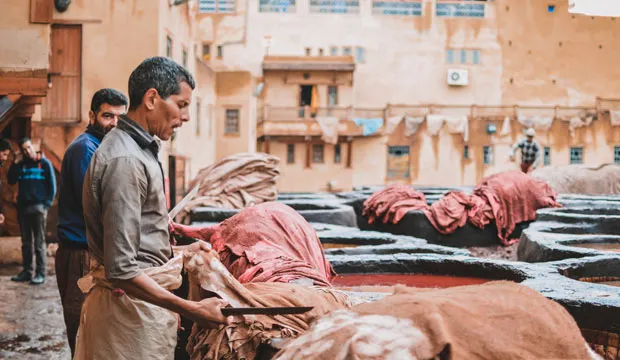
Every bag begins with choosing the right hide. Not all leather is equal — even within the same type (goat, lamb, cow, buffalo), individual hides vary significantly in thickness, grain pattern, surface consistency, and overall quality.
Our artisans review hides before production begins. A hide with an irregular surface in a critical panel area — a seam or a base — is not used for that panel. This process of selection adds time but reduces the chance of a bag arriving at a customer’s door with a material issue that could have been avoided.
The leather we use is sourced as a byproduct of the food industry. It is genuine, natural leather — not bonded leather, not split leather artificially textured to look like full grain. We are clear about this in every product description.
Step 2: Pattern Making and Cutting
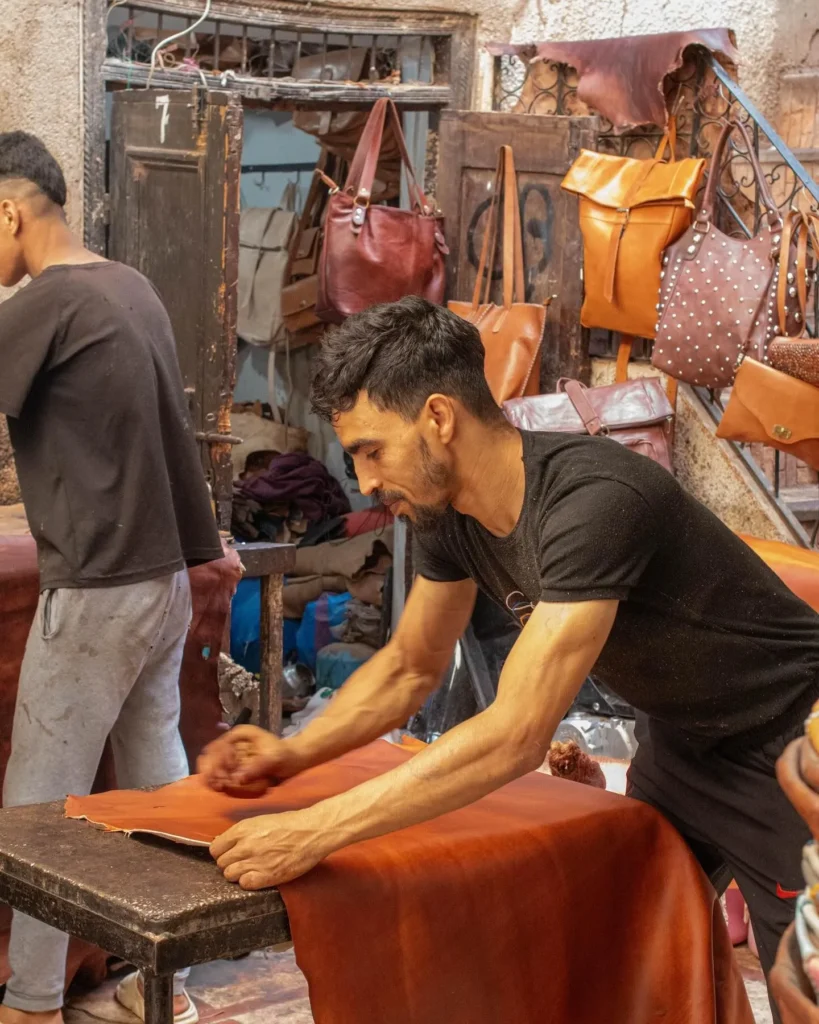
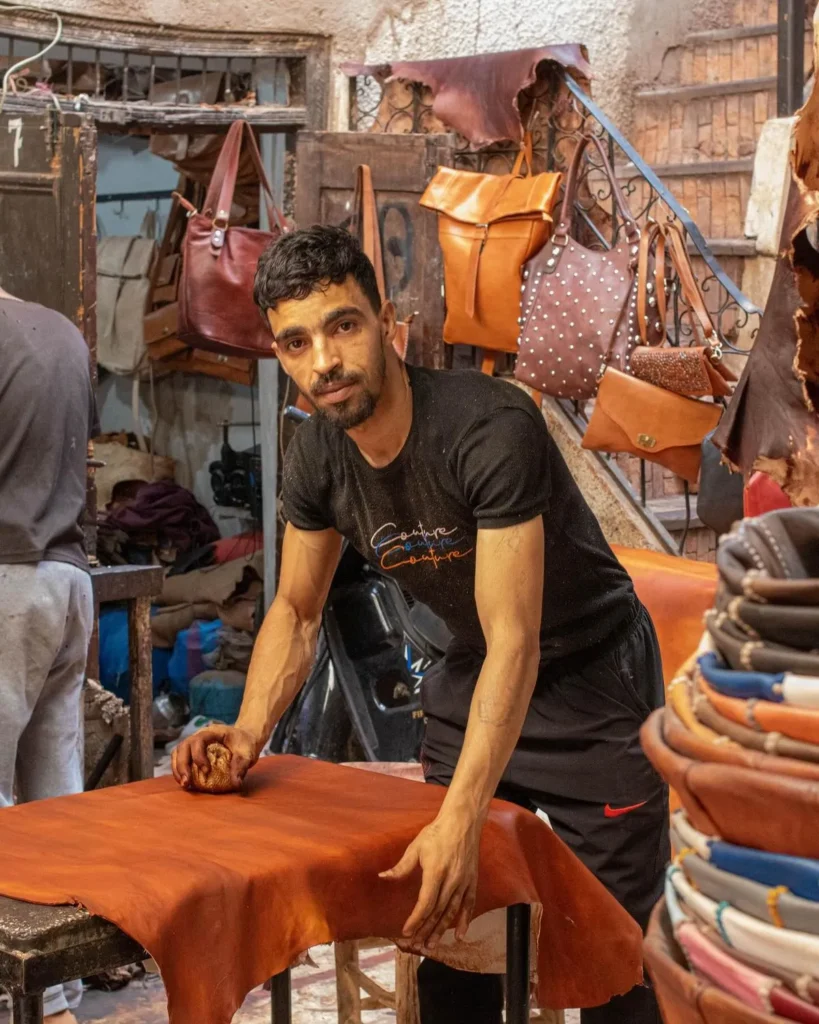
Once the leather for a batch is selected, the panels are measured and cut according to the bag’s pattern. Pattern-making is a precise task. The direction of the grain, the placement of the cut relative to the shape of the hide, and the exact measurements all affect how the finished bag will look and how it will hold up under regular use.
Cutting is done by hand using sharp tools. Machine-cutting is faster but less responsive to the natural variations in each hide. A skilled hand-cutter can work around an imperfection in the leather that a machine would simply cut through.
Why Cutting Matters
A bag that is cut carelessly will show it — in panels that do not align, in edges that are uneven, in a final silhouette that lacks the clean geometry that makes a bag look intentional. This step receives significant attention in our workshop.
Step 3: Assembly and Stitching
Once panels are cut, they are assembled and stitched together. Stitching is the part of leatherwork that most clearly shows the skill level of the artisan. Thread tension, stitch spacing, seam strength, and how well the edges are prepared all affect the final result.
We use thread weights and stitch patterns appropriate to each joint — heavier thread at load-bearing seams (handles, base corners), finer thread where the visual appearance of the stitch matters as much as the structural role.
Hand Stitching vs Machine Stitching
Quirvow uses a combination of hand stitching and machine-assisted stitching depending on the bag design and the specific seam. We do not claim that everything is stitched entirely by hand where machine-assisted stitching is used — we prefer to be accurate. What we do ensure is that the artisan is in control of the process at every stage, guiding equipment rather than simply supervising automated production.
Step 4: Edge Finishing
Edge finishing is one of the clearest indicators of care in a leather bag. Raw leather edges can fray, crack, or look unfinished if not treated properly. Finished edges are burnished, beveled, and often treated with a leather-based edge paint or conditioner that seals the surface.
Every panel edge in a Quirvow bag goes through a finishing step. This is time-consuming work — it requires consistency across every centimeter of every edge — but it is what distinguishes a well-made bag from a hastily assembled one.
Step 5: Hardware and Final Assembly
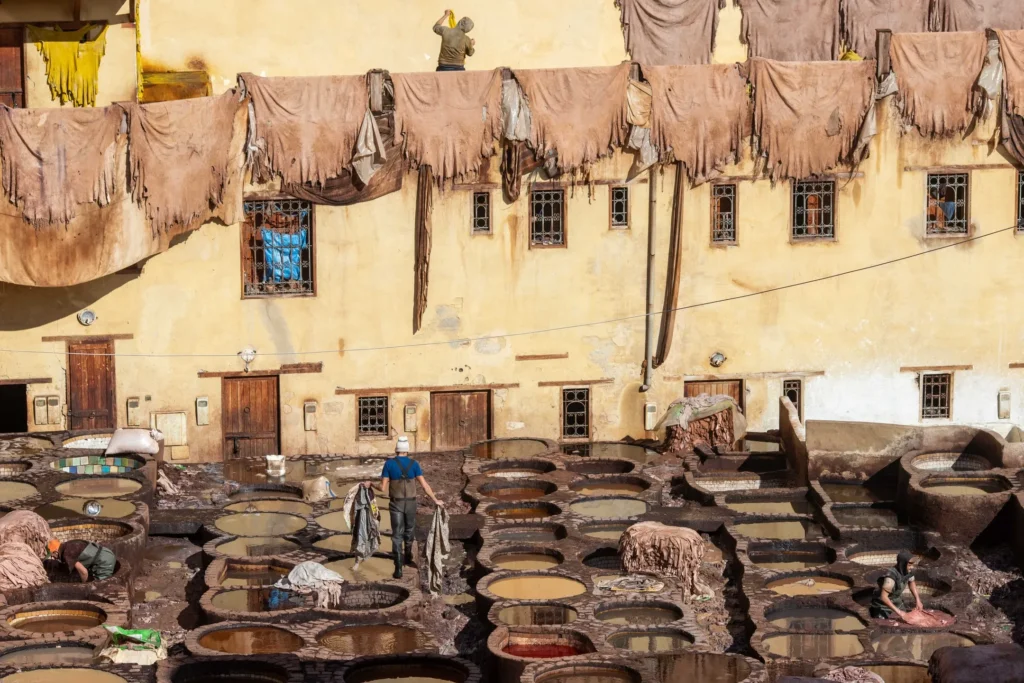
Hardware — zippers, buckles, rings, snaps, and feet — is attached after the main panels are assembled. Hardware selection affects both function and appearance. We use hardware that is proportionate to the bag size and tested for durability before production.
Once hardware is in place, the completed bag goes through a final check: seams are inspected, edges are reviewed, hardware is tested for function, and the overall shape is assessed. Only bags that pass this inspection are packed for shipping.
How We Photograph Our Products
Our Photography Philosophy
Product photography can misrepresent a product in many ways — through lighting that disguises texture, through color correction that makes leather look richer than it is, or through styling that hides proportions. We try to avoid all of this.
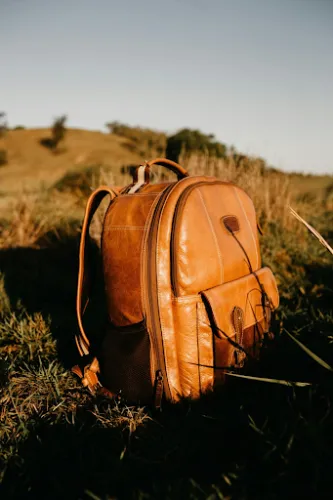
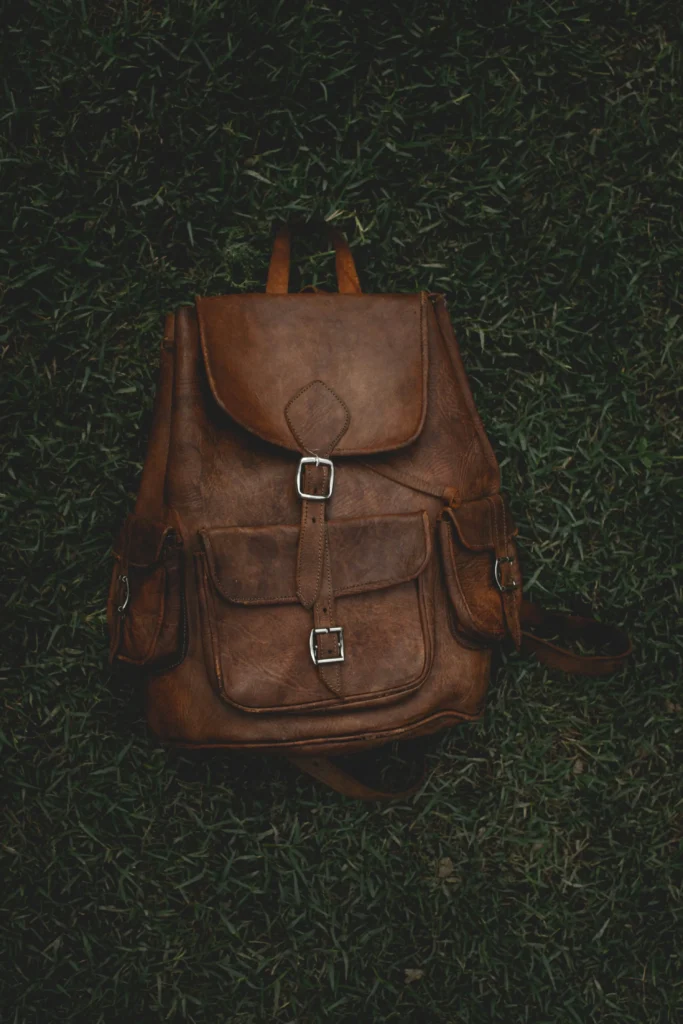
Our photographs are taken in controlled, natural-style lighting that shows leather texture honestly. We do not heavily retouch surface variations out of images. We include multiple angles — front, back, sides, base, interior, and hardware detail — so customers can see the bag as it actually is.
Color Representation
Leather color varies slightly between individual hides and between batches. We photograph all colorways under consistent conditions and calibrate our images against the physical product before publishing. Even so, screen calibration varies from device to device, and leather photographed under artificial lighting will always look slightly different from leather seen in natural daylight.
We note this in our product descriptions. If you have questions about the color of a specific product, you are welcome to contact us at contact@quirvow.com before ordering.
What We Will Not Do
We will not publish images of products we do not make or exaggerate their quality through heavy editing. If a batch of bags has a natural grain variation that a customer might notice, we try to show that in the images rather than remove it in post-production. Our goal is for every Quirvow customer to receive a bag that looks like — and is better than — what they saw in the product listing.