
The Leather Heritage of Fes and How Local Artisans Work with Quirvow

By the Quirvow Team · Azrou, Morocco
To understand how Quirvow bags are made, it helps to understand the leather heritage that makes them possible: the traditional craft of Fes, Morocco, and the artisans who carry that work forward today.
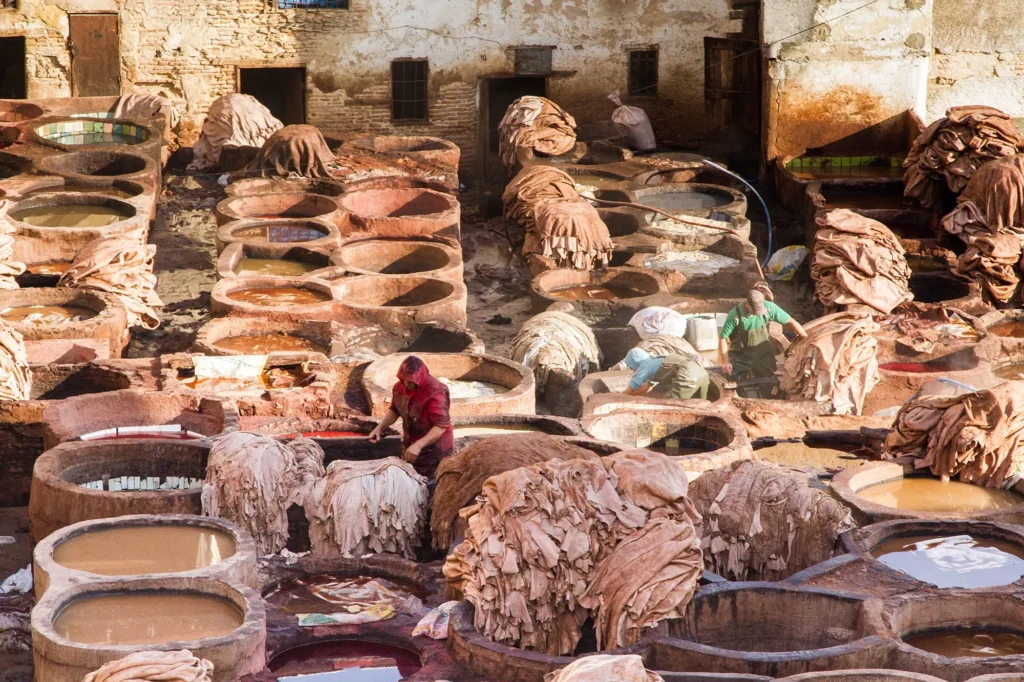
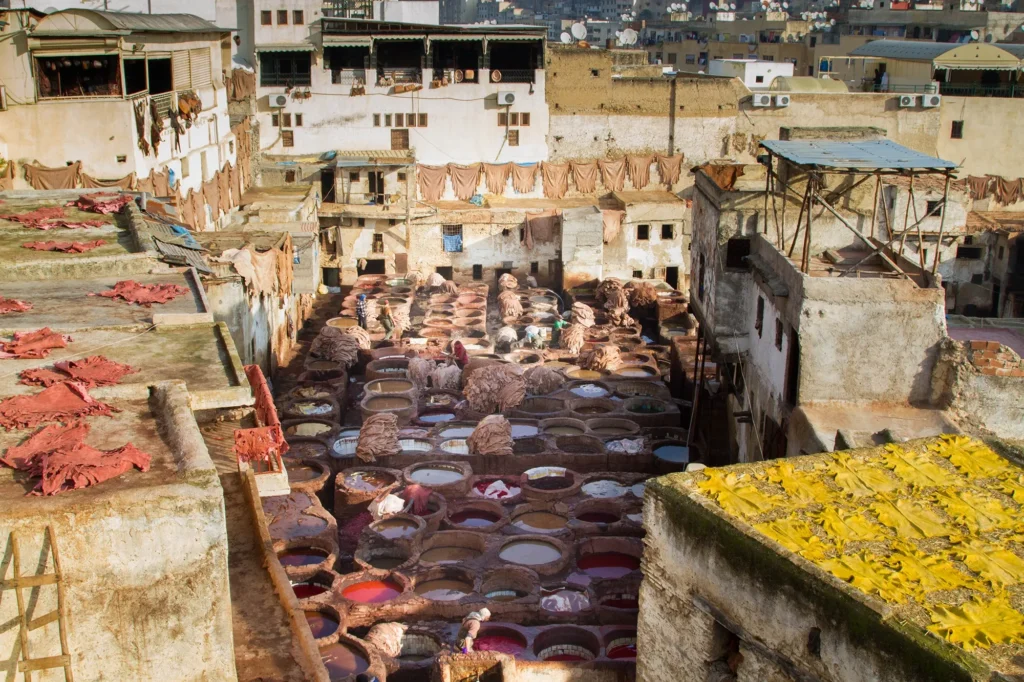
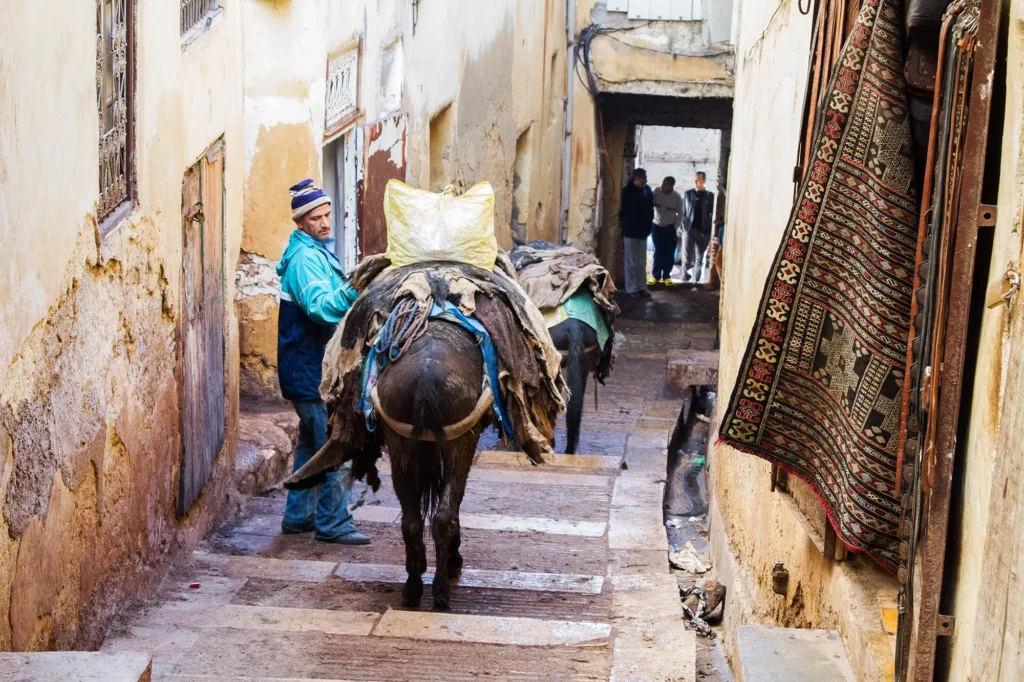
Fes is one of the oldest continuously inhabited cities in Morocco. Its medina, or walled old city, is a UNESCO World Heritage Site, and at its center sit the Chouara Tanneries — a working leather production site that has operated for centuries.
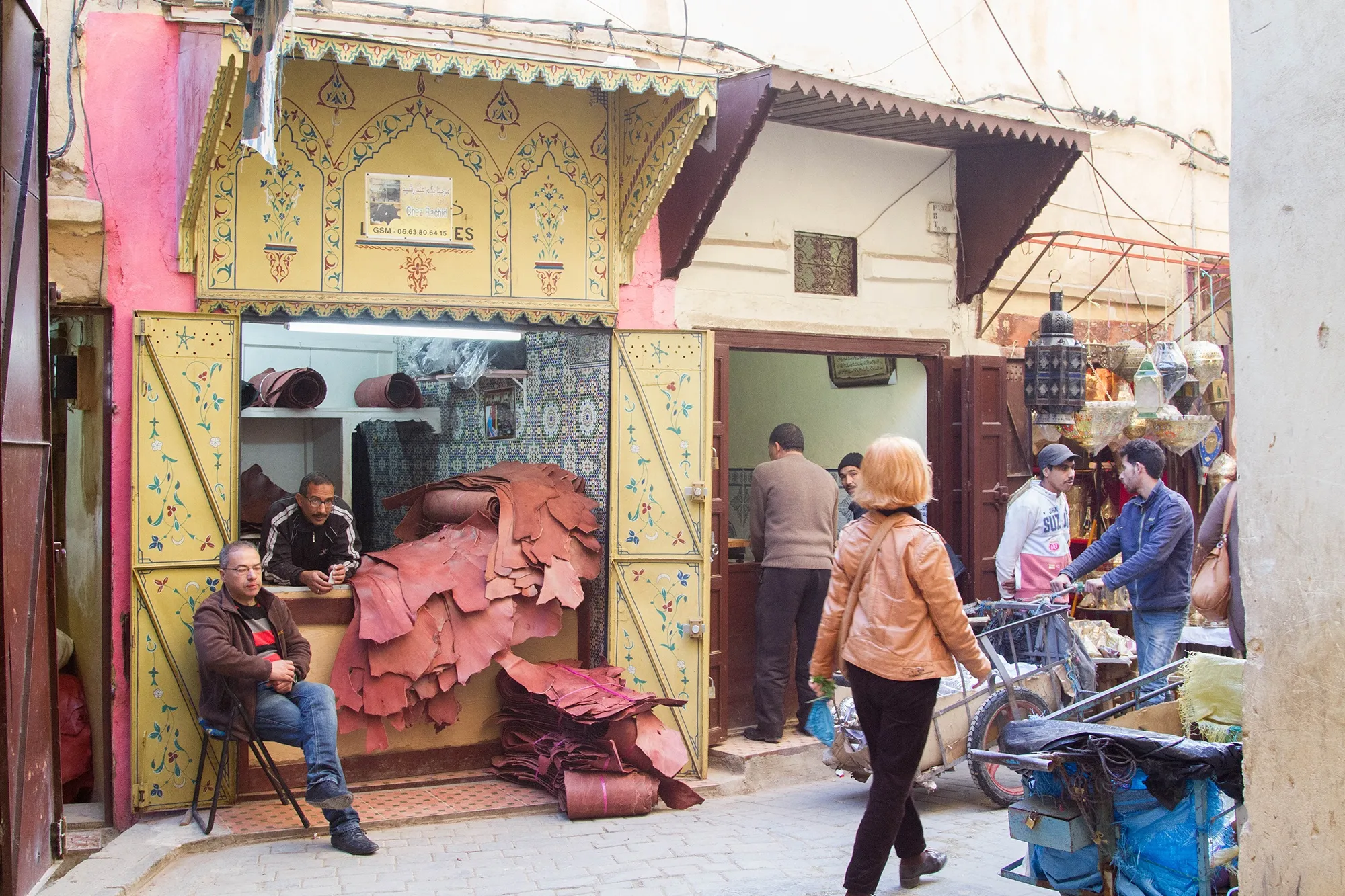
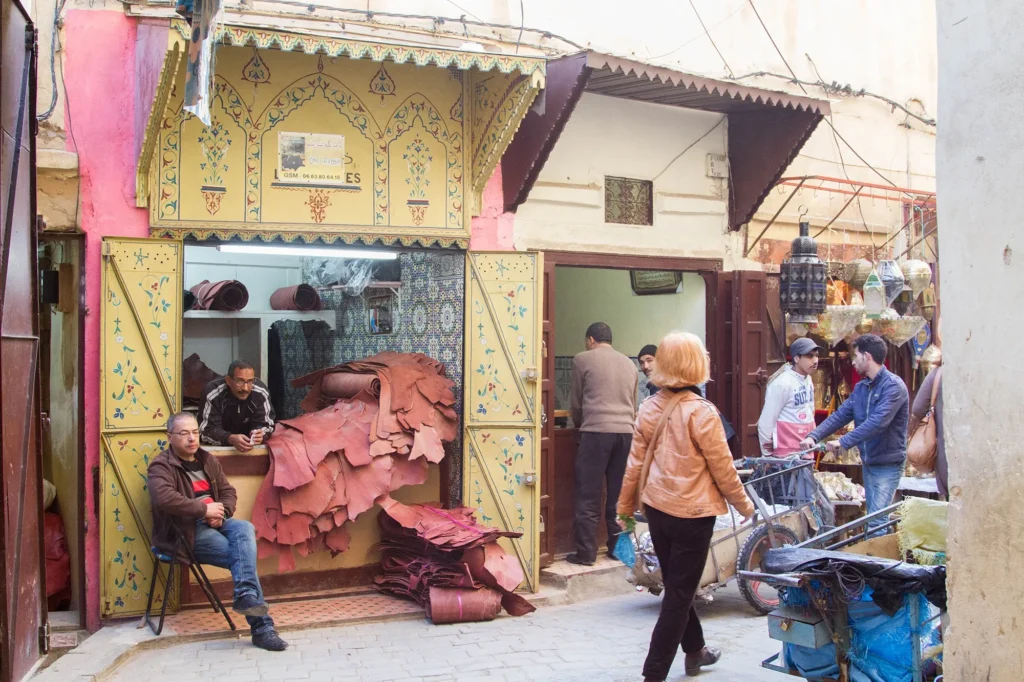
Leather in Fes has been a core part of the city’s economic and social structure for generations. Neighborhoods in the medina were historically organized around different stages of leather production: tanning, dyeing, cutting, stitching, and bag‑making. These were family occupations, passed down across generations and embedded in daily life.
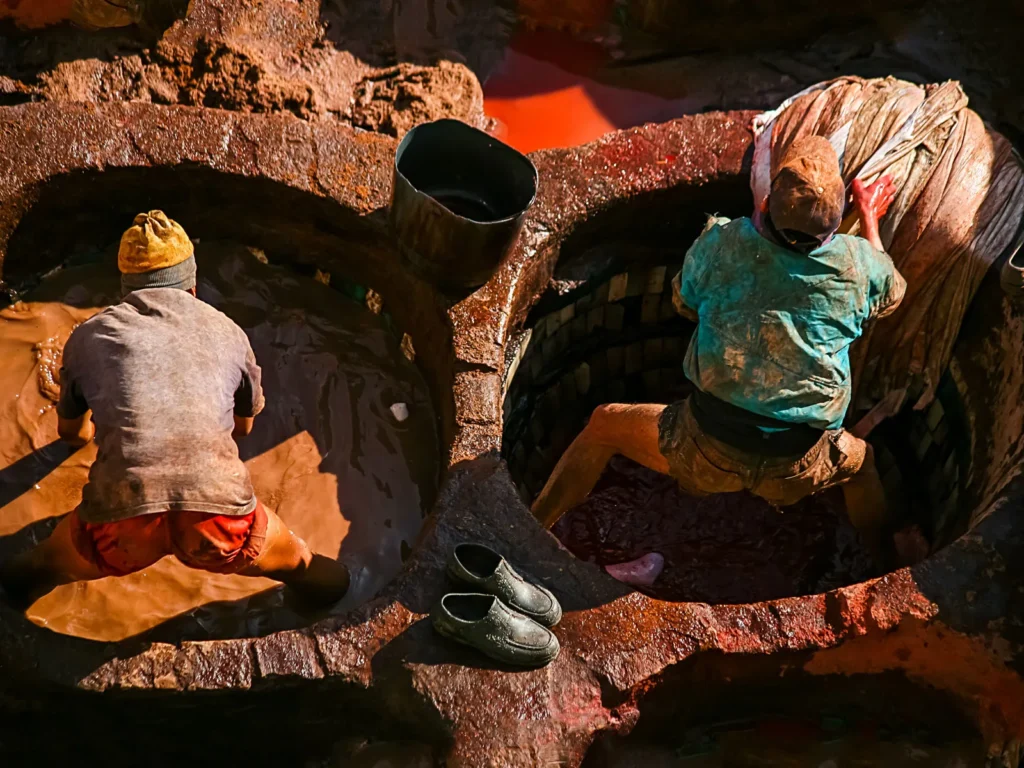
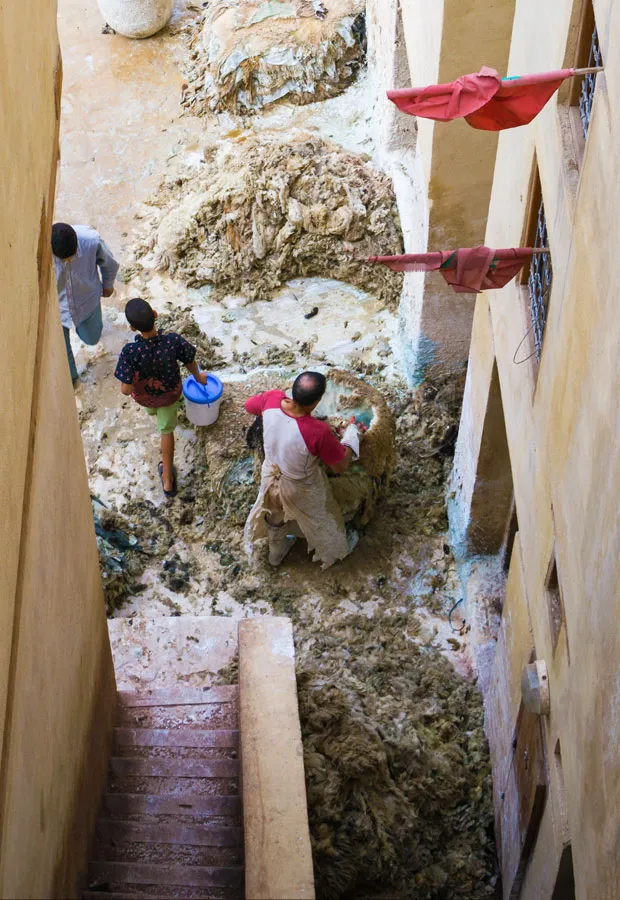
The tanning process practiced in Fes is one of the most distinctive in the world. Hides arrive from slaughterhouses and are soaked in lime to remove hair and excess fat, then moved through stone vats filled with organic solutions — traditionally including pigeon droppings, bran, and plant‑based tannins such as oak bark or sumac.
This vegetable tanning process is slow and can take weeks, but it produces dense yet supple leather that holds dye deeply and develops a rich patina with age. The open‑air tanneries of Fes, seen from surrounding rooftops, are famous for their changing colors as different batches are worked.
Quirvow is based in Azrou, in the Middle Atlas mountains. We work with artisans who have direct connections to the Fes leather tradition — some through family ties to the city, others through apprenticeships completed there before moving to other regions of Morocco.
These are skilled individuals who have spent years learning their craft. Some began cutting leather in their teens, others started by watching older relatives and then trained formally. Their experience is practical, tactile, and difficult to replace with machines.
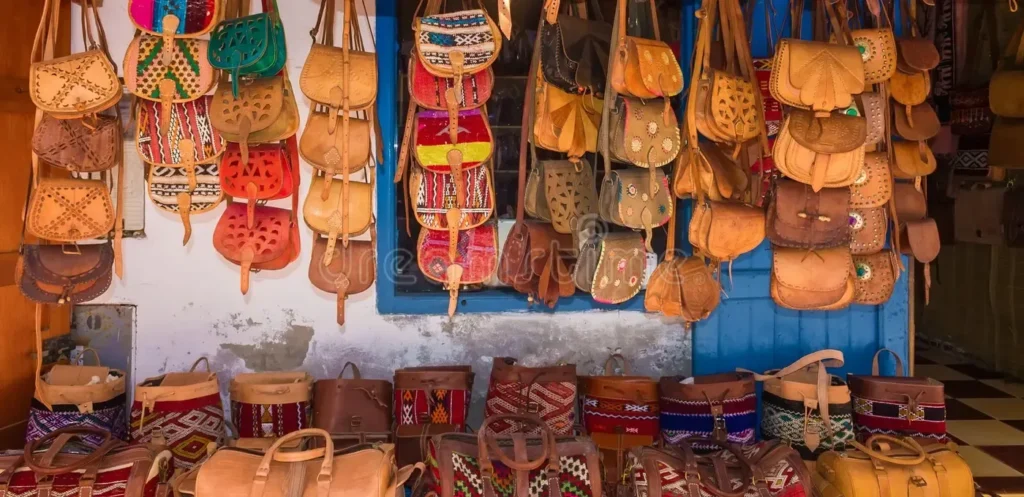
Producing a leather bag requires several different skills. The person who cuts leather panels understands grain direction and natural variation in the hide. The person who stitches knows which thread weight to use, how to keep even tension, and how to finish edges so seams hold over time.
At Quirvow, we work with craftspeople who understand the full production process, even when different people handle different steps. That awareness of the whole helps produce a bag that holds together well and ages gracefully.
In return, we are transparent with our artisans about what we are building, how we price our products, and what our customers expect.
When you purchase a Quirvow bag, you are not just buying a leather product. You are receiving the result of a production
tradition that is centuries old, practiced today by people who have dedicated years to understanding leather.
Small variations in grain or stitching are signs of that human process, not defects. We believe customers deserve to know
this, and we aim to be transparent in how we present our products and our workshop.
No account yet?
Create an Account